

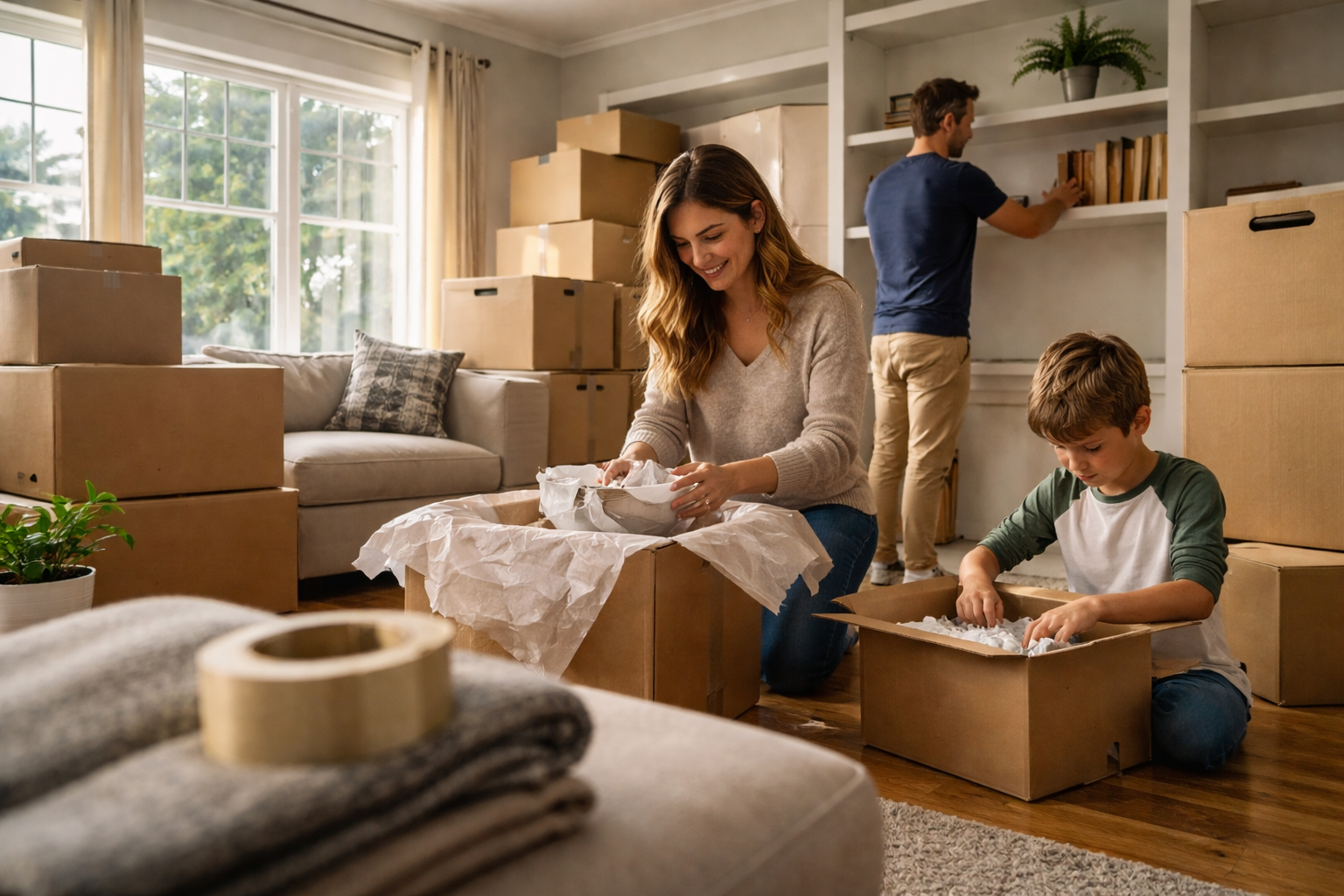
You picked up the keys, the moving truck pulled away, and now you’re standing in a sea of cardboard boxes wondering where to start. Moving is exhausting, but the real challenge begins once everything is inside. The right unpacking and settling tips can mean the difference between feeling at home within a few days and living out of boxes for months. A clear plan, a smart unpacking order, and a few practical strategies will help you get organized efficiently, reduce the overwhelm, and start enjoying your new space sooner than you think.
This guide walks you through the entire process, from what to do before you open a single box to how to make your new house genuinely feel like home in the first week.
Before You Start Unpacking: Set Yourself Up for Success
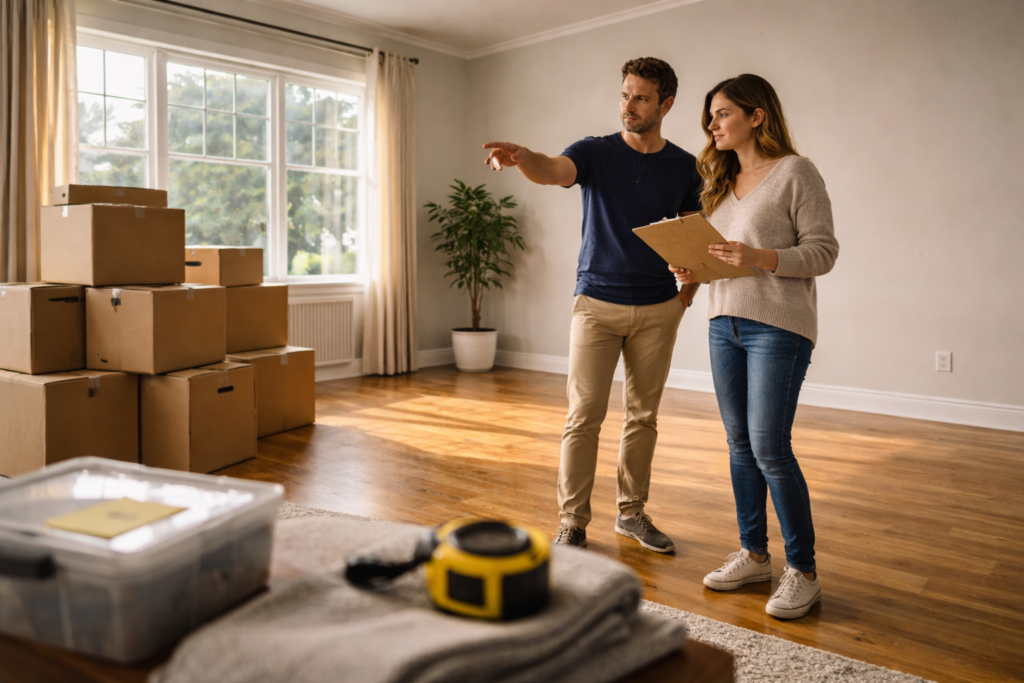
The temptation to rip open boxes the moment the movers leave is strong, but a few minutes of preparation will save you hours of frustration later.
Do a Walkthrough First
Before unpacking anything, walk through every room of your new home. Check that utilities are fully operational, including water, electricity, gas, and internet. Test light switches, flush toilets, and run faucets. Confirm that the HVAC system is working. Note any damage or issues that may have occurred during your move-in or that were missed during the final walkthrough. This is much easier to document before your belongings fill every room.
Clean Before You Unpack
Even if the previous owners left the home spotless, a quick cleaning pass makes a meaningful difference. Wipe down kitchen cabinets and countertops, clean bathrooms, vacuum or mop floors in every room, and check closets and storage spaces for dust or debris. It is far easier to clean empty rooms than to work around stacked boxes and furniture, so take advantage of this brief window while you have it.
Set Up Your Essentials Box
If you packed a first-night essentials box (and if you didn’t, add it to your list for next time), locate it immediately. This box should contain toiletries, a change of clothes for each family member, phone chargers, basic medications, important documents, toilet paper, paper towels, hand soap, a few kitchen basics like plates, cups, and utensils, and snacks or easy meals. Having these items accessible eliminates the frantic digging through random boxes at midnight when all you want is a toothbrush.
The Best Order to Unpack After Moving
One of the most effective unpacking and settling tips is simply knowing which rooms to tackle first. Not all rooms carry the same urgency, and working in the right sequence prevents you from burning out on low-priority spaces before the essentials are functional.
1. Kitchen
The kitchen is the operational center of every household, and getting it functional fast changes the entire feel of your first days in the new home. Start by unpacking dishes, glasses, utensils, and cookware. Set up the coffee maker. Organize the pantry with any food you brought along. Arrange items in a way that makes intuitive sense to you rather than trying to replicate your old kitchen layout exactly. You live in a new space now, and this is your chance to set up systems that work better.
Having a working kitchen means you can prepare meals, which saves money on takeout and helps establish normalcy much faster than any other single step.
2. Bedrooms
Sleep matters more than anything else during a move. Assemble beds, make them with clean sheets, and set up bedside essentials like lamps, alarm clocks, and phone chargers. If you have children, prioritize their rooms. A familiar bedtime routine in a set-up bedroom goes a long way toward helping kids adjust to a new environment. Hang curtains or blinds for privacy and light control, especially if you moved during summer months with long daylight hours.
3. Bathrooms
Unpack towels, toiletries, bath mats, shower curtains, and cleaning supplies. Install any shower caddies or organizers you use. Stock toilet paper and hand soap in every bathroom. A functional, clean bathroom is a basic comfort that makes the rest of the unpacking process feel far less chaotic.
4. Living and Common Areas
Once the kitchen, bedrooms, and bathrooms are operational, move to shared living spaces. Set up the couch, arrange seating, connect the television if that’s part of your household routine, and create at least one comfortable space where the family can decompress. You don’t need to hang art or style bookshelves on day two, but having one inviting room to land in at the end of a long unpacking day makes a real difference.
5. Home Office
If you work from home, getting your office functional is a high priority. Set up your desk, monitor, keyboard, and internet connection. Test video conferencing and make sure your workspace is ready before your first remote workday in the new home. The last thing you need is a scramble to find your webcam thirty minutes before a meeting.
6. Storage, Garage, and Utility Areas
These spaces come last. Resist the urge to organize the garage or basement before the main living areas are settled. Stack boxes neatly in these spaces until you’re ready to deal with them, and give yourself permission to take your time. Seasonal items, holiday decorations, rarely used tools, and overflow belongings can wait days or even weeks without affecting your daily quality of life.
Smart Unpacking Strategies That Save Time
Unpack by Box, Not by Wandering
Open one box at a time, put everything from that box away, then break down the cardboard and move on. Jumping between half-opened boxes in multiple rooms creates visual chaos, makes it harder to find things, and slows you down dramatically.
Break Down Boxes Immediately
As soon as a box is empty, flatten it and move it to a designated staging area, whether that’s the garage, a porch, or a specific corner. Keeping empty boxes scattered around the house adds to the feeling of disorder and takes up floor space you need for moving around.
Set a Daily Goal, Not a Marathon
Unpacking an entire house in one day is unrealistic for most people and a fast track to burnout. Instead, set a manageable daily goal. Two to four hours of focused unpacking per day, or a target of a specific number of boxes, keeps steady progress going without exhausting you. Most households can be fully unpacked and functional within one to two weeks using this approach.
Create a Donation Station
Moving is one of the best opportunities to let go of things you no longer need. Keep a box or bin designated for donations as you unpack. If you open a box and realize you don’t have a place for something or haven’t used it in over a year, it goes in the donation bin. There is no better time to declutter than when you’re handling every item you own one by one.
Label Where Things Went, Not Just Where They Came From
If your boxes were labeled by room, great. But as you unpack, take note of where you’re placing things in the new home. A quick note on your phone or a simple list helps you remember where you stored the extra linens, the holiday dishes, or the toolkit during those first few weeks when muscle memory hasn’t kicked in yet.
Settling In: Making Your New House Feel Like Home
Unpacking handles the logistics, but settling in is an emotional process. These strategies help bridge the gap between living in a new house and feeling like it’s truly yours.
Prioritize One “Finished” Room
Choose one room and complete it fully, including furniture placement, decor, lighting, and personal touches. Having even one room that feels done gives you a space to retreat to when the rest of the house still feels like a work in progress. For most people, this is the primary bedroom or the living room.
Hang Things on the Walls
Bare walls are one of the biggest reasons a new house feels temporary. You don’t need to plan a full gallery wall on day three, but hanging a few familiar pieces of art, family photos, or a mirror can transform a room’s atmosphere almost instantly. If you’re not sure about permanent placement, use removable hooks to experiment without committing to nail holes.
Establish Daily Routines Quickly
Routines create a sense of normalcy. Start cooking meals in your new kitchen, establish a morning coffee spot, set up your bedtime routine, and create a consistent flow through your day. The sooner your daily patterns feel familiar, the sooner the house feels like home.
Explore Your New Neighborhood
Settling in isn’t just about the house. Walk your block, find the nearest grocery store, locate the closest park, and introduce yourself to neighbors when the opportunity feels natural. Knowing your surroundings reduces the unfamiliarity that can make a new place feel foreign. If you have children, finding the local playground or library quickly gives them a sense of belonging.
Give Yourself Grace
Feeling fully settled takes time, and that’s completely normal. Some people feel at home within a week. Others need a month or more, especially if the move involved a significant life change like a new city, a new job, or a major family transition. Let the process unfold without putting pressure on yourself to have everything perfect immediately.
Common Unpacking Mistakes to Avoid
Trying to do everything in one day. Exhaustion leads to poor decisions about where things go, and you’ll end up reorganizing later. Pace yourself.
Ignoring the kitchen. Eating takeout for a week because the kitchen is still packed is expensive and draining. Prioritize this room above almost everything else.
Keeping every box “just in case.” Break boxes down and recycle or give them away once you’re unpacked. Holding onto them creates clutter and signals to your brain that the move isn’t finished.
Skipping the change of address. Update your address with the postal service, your bank, insurance providers, subscriptions, and any other institutions immediately. This is easy to forget in the chaos of moving but causes headaches if delayed.
Forgetting to update home systems. Change the locks or rekey them, update the garage door code, reprogram the thermostat, and set up your Wi-Fi network with a new password. These small tasks are easy to overlook but important for security and daily function.
Frequently Asked Questions
What is the best order to unpack after moving?
Start with the kitchen, then bedrooms, bathrooms, living areas, home office, and finally storage and utility spaces. This order prioritizes the rooms that most directly affect your daily comfort and function, allowing you to eat, sleep, and live normally while less urgent spaces wait.
How long does it take to unpack after moving?
Most households can be fully unpacked and organized within one to two weeks if you dedicate two to four hours per day to the process. Complex moves or larger homes may take up to a month. Setting a daily goal and working consistently is more effective than trying to finish everything in a single marathon session.
How do I make my new house feel like home?
Focus on completing one room fully, hang familiar art or photos on the walls, establish your daily routines quickly, and explore your new neighborhood. The combination of personal touches, functional spaces, and familiarity with your surroundings accelerates the emotional transition from new house to home.
What should be in a first-night essentials box?
Pack toiletries, medications, phone chargers, a change of clothes for each person, bed linens, towels, toilet paper, hand soap, paper towels, basic kitchen items like plates and utensils, snacks, and any items your children or pets need immediately. Keep this box with you during the move rather than loading it on the truck.
Should I hire a professional organizer after moving?
If your budget allows and you’re feeling overwhelmed, a professional organizer can be a worthwhile investment, especially for kitchens, closets, and storage areas. They bring systems and efficiency that save time and reduce decision fatigue. However, most people can manage the process independently with a solid plan and consistent daily effort.
Enjoy the Space You Worked So Hard to Get
Moving into a new home is a milestone worth celebrating, even if the first few days feel more like a logistics operation than a celebration. With the right approach, you’ll be past the boxes and into the living faster than you expect.
Need help making your new house feel like home? Connect with local home service professionals, organizers, or interior specialists who can help you settle in quickly and set up your space exactly the way you want it. You made the move. Now make it yours.
Comments are closed.